What Colombia’s Parliamentary Elections Reveal About the Digital Battle Ahead


Heading 1
Heading 2
Heading 3
Heading 4
Heading 5
Heading 6
Lorem ipsum dolor sit amet, consectetur adipiscing elit, sed do eiusmod tempor incididunt ut labore et dolore magna aliqua. Ut enim ad minim veniam, quis nostrud exercitation ullamco laboris nisi ut aliquip ex ea commodo consequat. Duis aute irure dolor in reprehenderit in voluptate velit esse cillum dolore eu fugiat nulla pariatur.
Block quote
Ordered list
- Item 1
- Item 2
- Item 3
Unordered list
- Item A
- Item B
- Item C
Bold text
Emphasis
Superscript
Subscript
Colombia’s March 8 parliamentary elections produced a fragmented result and once again highlighted a persistent feature of the country’s politics: high abstention. More than half of eligible voters typically stay home. In this environment, elections are often decided not simply by persuasion, but by which campaigns can activate and mobilize supporters effectively. This is where digital strategy becomes decisive.
Between February 15 and March 10, online conversation around Colombia’s elections generated more than 928,000 mentions, reaching an estimated 1.8 billion users and producing over 210 million impressions across social and digital platforms. The discussion involved nearly 199,000 unique authors, highlighting the scale at which digital platforms now shape political narratives.
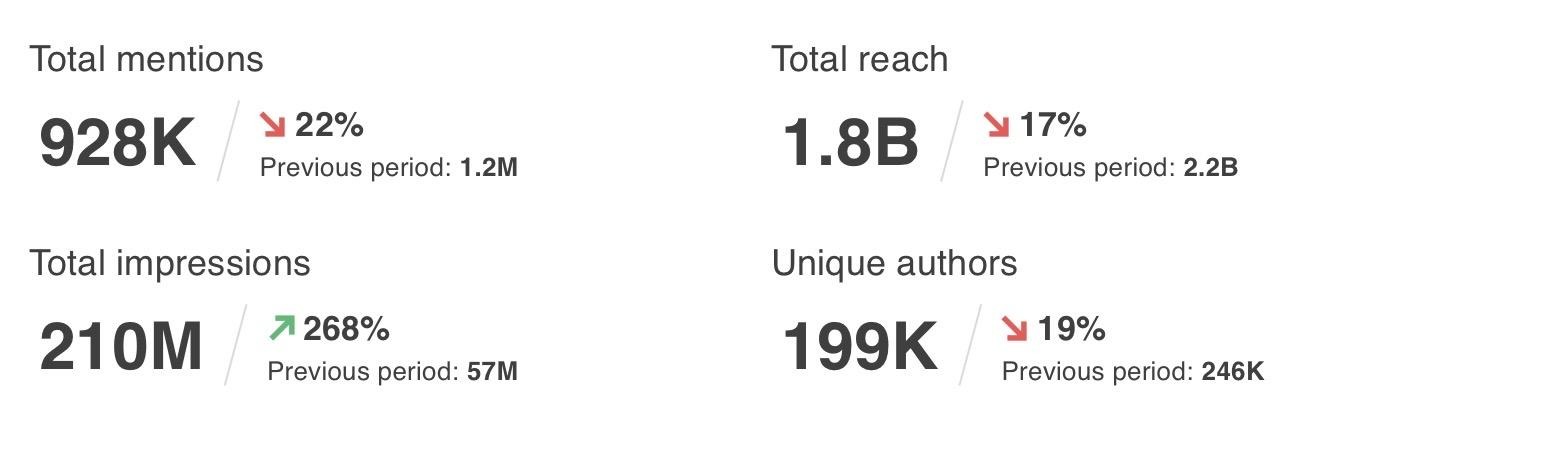
The data also suggests that digital engagement is accelerating as Colombia moves toward the presidential election. Total impressions increased by 268%, indicating that election-related content is reaching significantly larger audiences even as the conversation becomes more concentrated.
Colombia has one of the most connected populations in Latin America. Millions of voters now consume political information primarily through social platforms and messaging networks rather than traditional media. As a result, the parliamentary elections offered an early preview of how the presidential race on May 31 may unfold: less about televised debates and more about online engagement and mobilization. But the most important digital signals are not always visible to the public.
Most political coverage focuses on polling or traditional media narratives. Our monitoring of social media and digital engagement provides a different lens. Rather than simply tracking follower counts or viral posts, we analyze engagement patterns, sentiment shifts, and content performance across platforms to identify early signals of political momentum. Several trends emerging from the parliamentary election period may shape the presidential race.
One of the clearest signals from the monitoring data is the tone of the online conversation. Election-related posts show that negative sentiment accounts for 48% of mentions, compared with 47% neutral and only 5% positive.
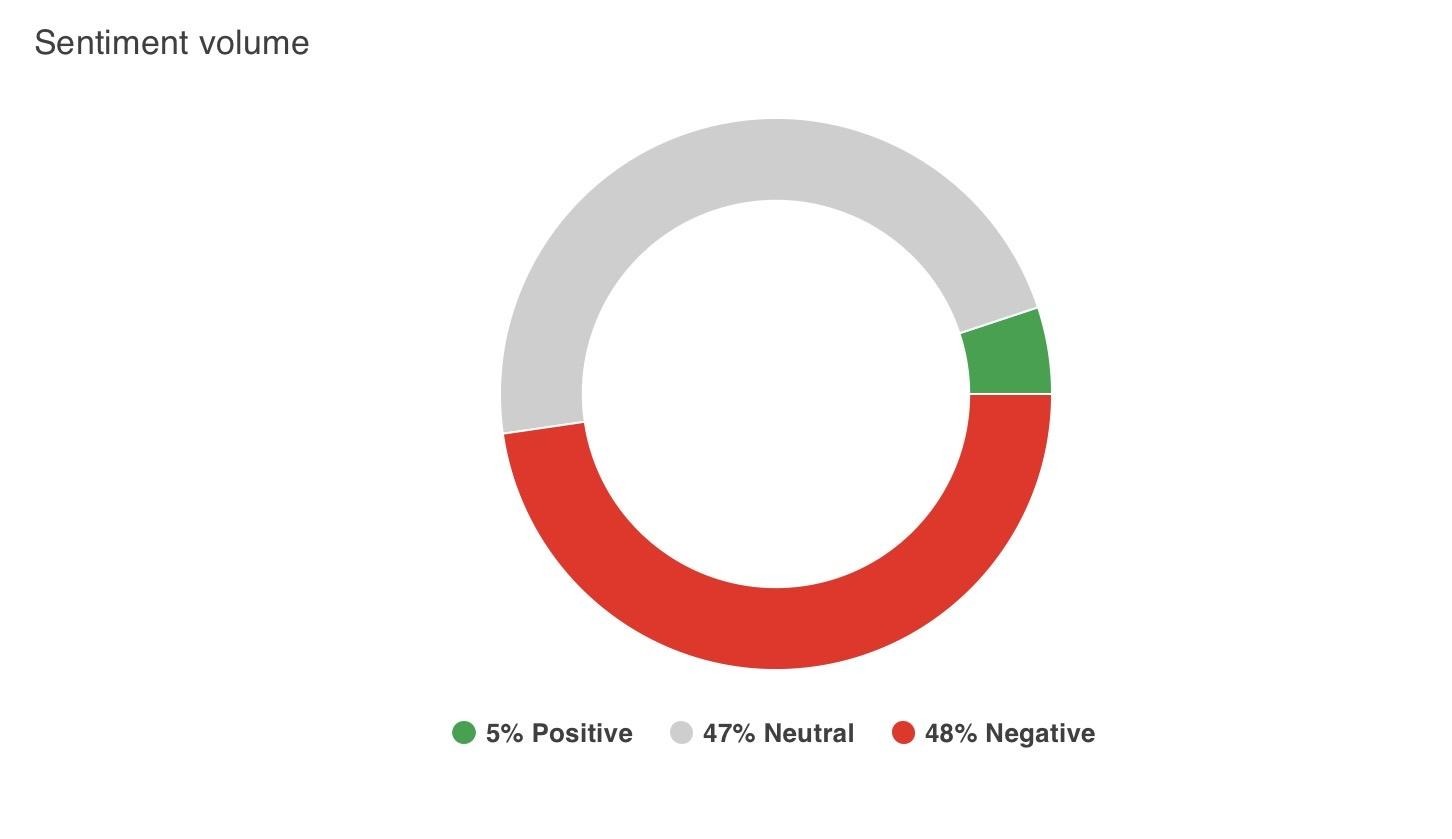
This imbalance suggests that the digital debate around the election is driven largely by criticism, political conflict, and disagreement rather than positive campaign messaging. Sentiment spikes throughout the monitoring period also indicate how quickly online narratives can shift in response to campaign developments or political events. For campaigns heading into the presidential election, this environment means that managing online narratives and responding quickly to criticism may be just as important as promoting policy platforms.
Platform analysis shows that X accounts for the largest share of tracked political discussion during the parliamentary election period.
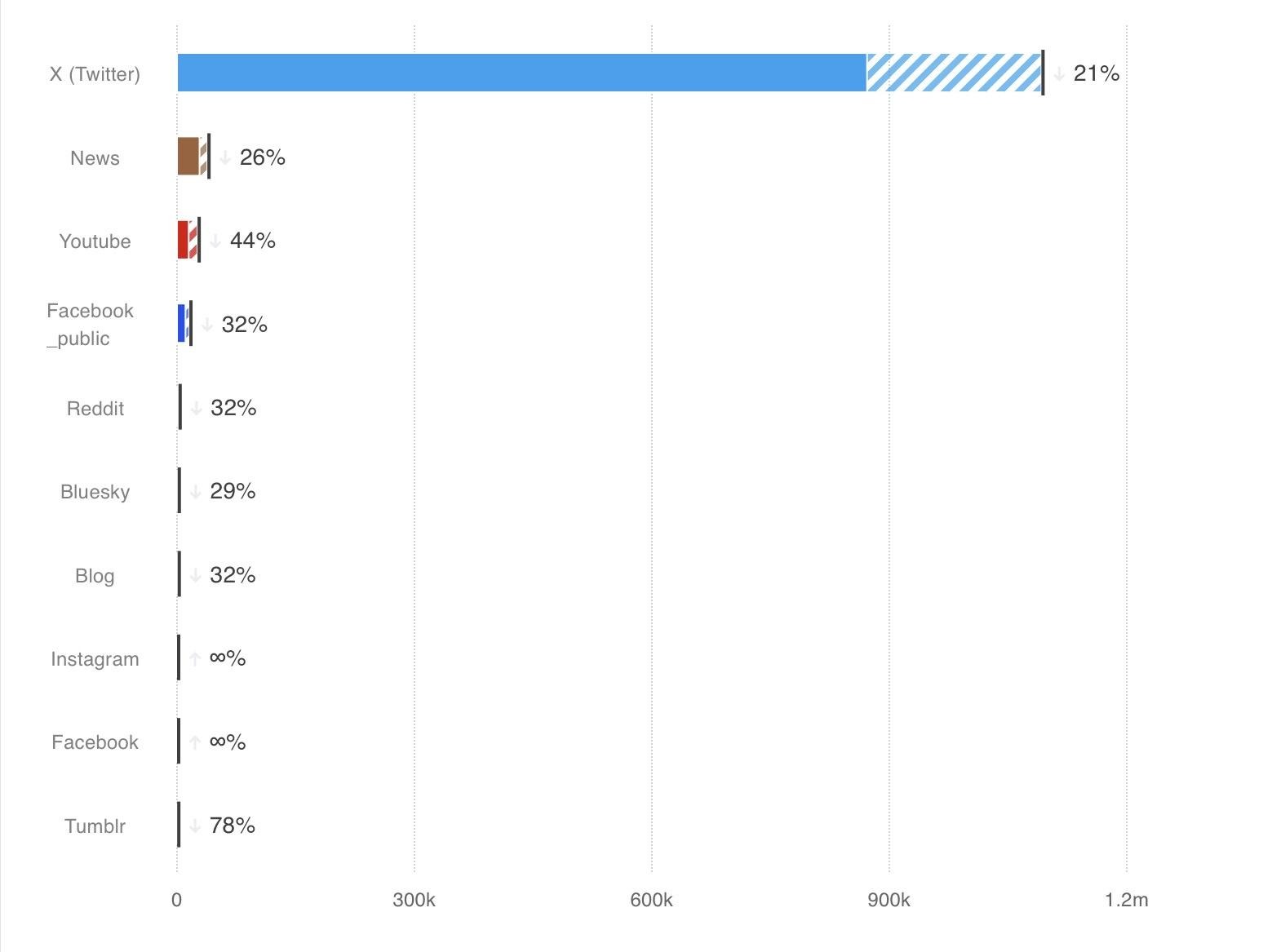
This suggests that much of the visible election debate is concentrated among journalists, political commentators, and highly engaged political users. In many ways, the platform reflects the elite political conversation surrounding the election. However, the most influential political dynamics may not always occur in the most visible spaces. While X dominates the public political discussion, political content often spreads beyond it. Messages that gain traction in highly visible conversations frequently migrate to other platforms and private networks, primarily on WhatsApp where they reach broader audiences and circulate among peer groups. WhatsApp is widely identified as the main private channel where political messages circulate after appearing on public platforms. Campaigns and supporters actively organize WhatsApp groups to distribute political messages and “chains” that are often forwarded among friends, family, and community groups, amplifying original content. Because of the trust dynamic when receiving content from real people in one's life, maintaining a strong social media presence that consistently produces clear, factual, and highly shareable content enables accurate information to spread through these trusted networks and is considered one of the most effective countermeasures to disinformation.
In this sense, the campaigns that succeed in the presidential race may not simply be those that dominate the national conversation online. Instead, the advantage may go to candidates whose messages travel effectively across multiple digital environments and are repeatedly shared within smaller online communities and private channels.
In a country with consistently high abstention, the campaigns that convert passive online audiences into active supporters will have a major advantage. The most effective digital strategies do not simply generate viral posts. They build engagement loops that encourage supporters to participate, share messages, and mobilize others within their own networks. A campaign can dominate online conversation yet fail to translate that attention into votes. Conversely, a candidate with a smaller but highly engaged digital community may be far better positioned to mobilize supporters on election day.
Looking ahead to May 31, the digital battlefield will likely become even more influential as the presidential race narrows. Campaigns will intensify efforts to shape online narratives, amplify supporters, and drive turnout among key demographic groups. The real advantage will belong to campaigns that understand how digital ecosystems actually function, not just which posts go viral, but how online momentum turns into real-world political participation. That is the dynamic we will continue monitoring as Colombia moves from its parliamentary elections into the presidential race.